
Entering the sea here at anytime of the day one is struck by the push and pull of the, seemingly, constantly incoming waves. There is in fact a low and high tide but it’s actually not that discernible where we are staying on Kata Noi beach. A number of smaller waves can be quickly followed by a higher one, often immediately followed by another of greater force. The more powerful waves pick you up and propel you unceremoniously towards shore. The sea is very warm and it is a hugely enjoyable experience. It does, though – if you need reminding at all – spell out just how impotent we are when faced with the full force of nature.
It seems apposite to remember that Thailand was one of 14 countries affected by the devastating Indian Ocean earthquake that struck, just twenty years ago, on 26 December 2004.
The earthquake is estimated to have released the energy of 23,000 Hiroshima-type atomic bombs, according to the U.S. Geological Survey (USGS).
At 7:59 AM, a 9.1-magnitude earthquake – one of the largest ever recorded – ripped through an undersea fault in the Indian Ocean, propelling a massive column of water toward unsuspecting shores. The Boxing Day tsunami would be the deadliest in recorded history, taking a staggering 230,000 lives in a matter of hours.
The disaster killed about 5,400 people in Thailand, including foreign tourists.
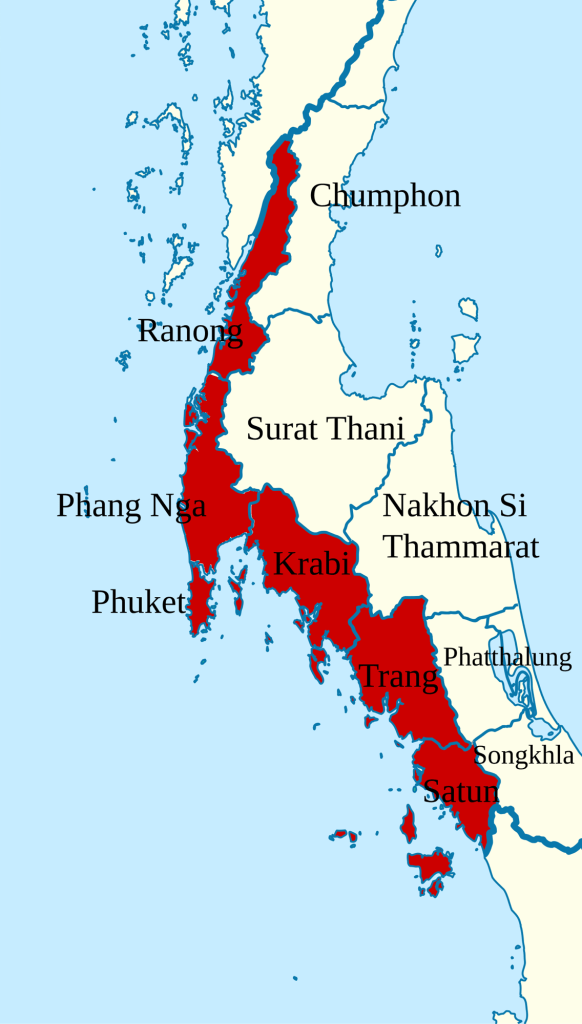
With waves travelling 500 mph across the Indian Ocean, the tsunami hit the coastal provinces of Phang Nga and Phuket an hour and a half later. Despite the time-lapse, locals and tourists were caught completely unaware of the imminent destruction. Although, somehow, the animals seemed to know that disaster was imminent. Many people reported that they saw animals fleeing for high ground minutes before the tsunami arrived. Very few animal bodies were found afterwards.
This short National Geographic film offers a useful explanation as to what a tsunami is and how it forms.
The film ‘The Impossible’ is based on the real life experience of Doctor Maria Bennett, her husband Henry, and their three sons Lucas, Simon, and Thomas who go on a Christmas holiday to Khao Lak, Thailand. This short clip reveals something of the surreal horror that those in the tsunami’s path must have felt. The setting for the film is eerily similar to the one in which we are located on Kata Noi beach. It is not difficult to imagine yourself in the Bennett’s place, although we cannot, of course, touch, feel or taste the abject terror they would have experienced. Naomi Watts who played Maria Bennett was nominated for an Oscar in 2013, in the category ‘Best Performance by an Actress in a Leading Role’.
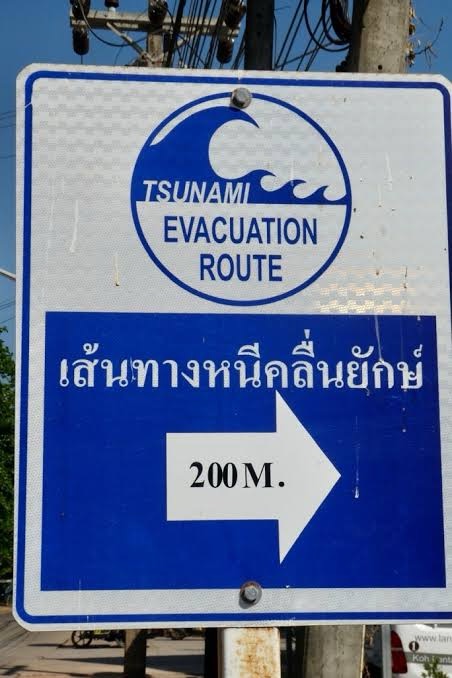
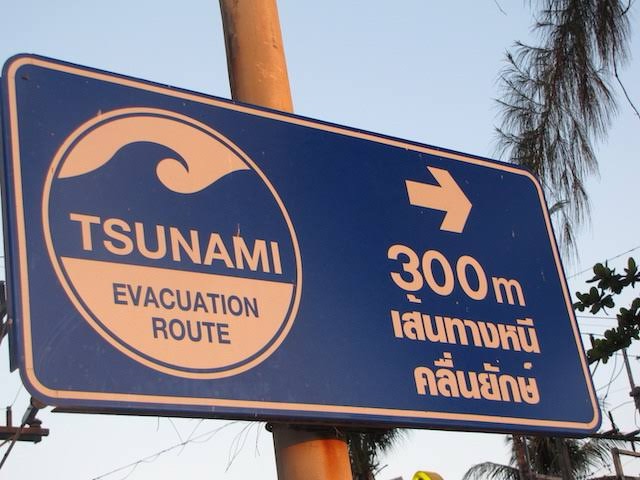
In response to the tragedy, Thailand implemented preventive measures, including the installation of two tsunami detection buoys off Phuket and over 100 warning towers in the six affected provinces.
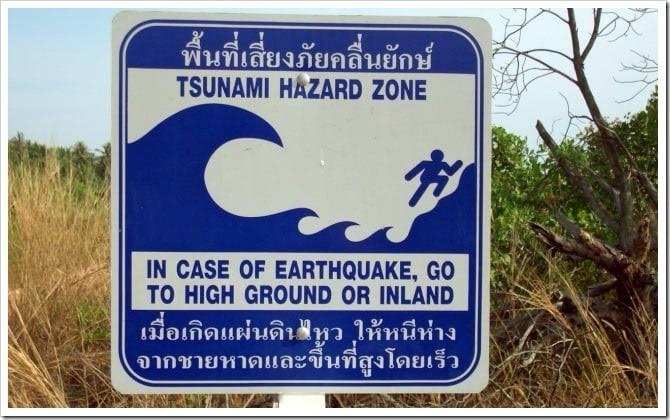
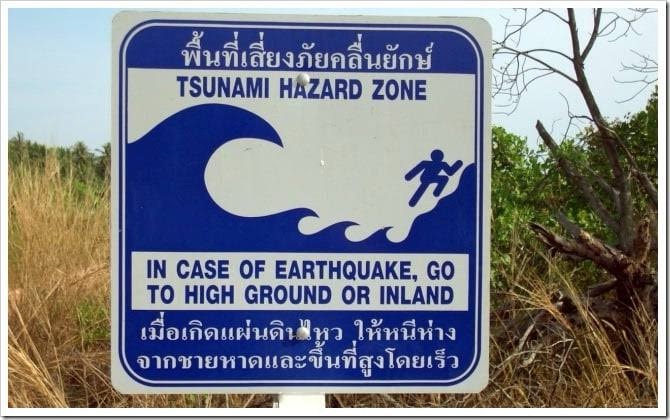
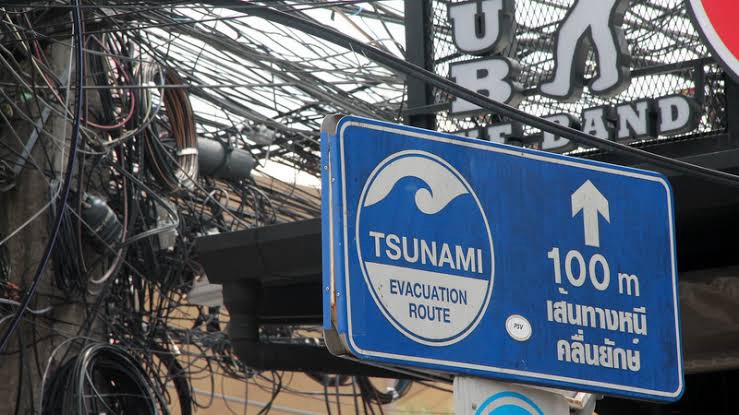
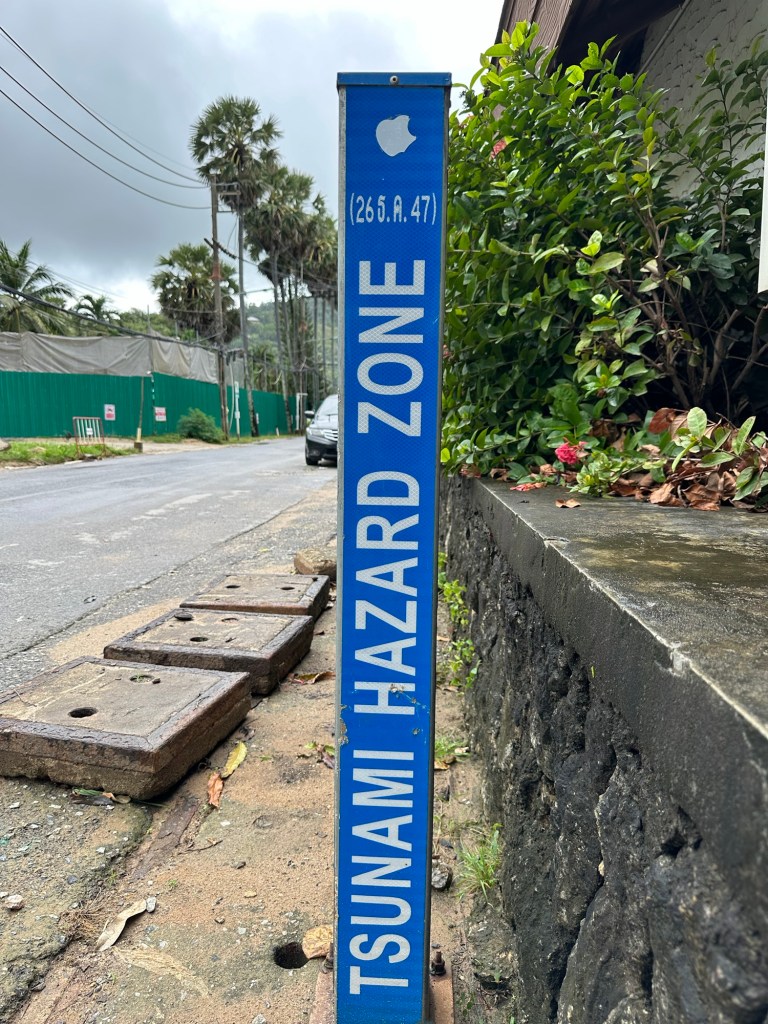
Warning signs are visible everywhere here…
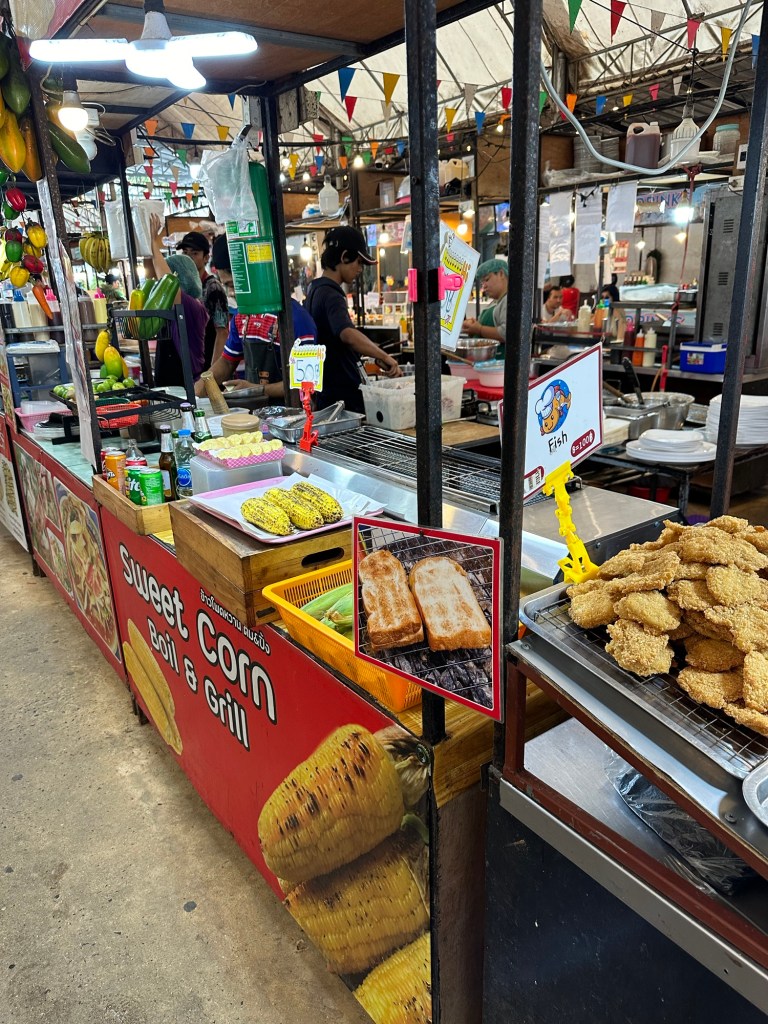
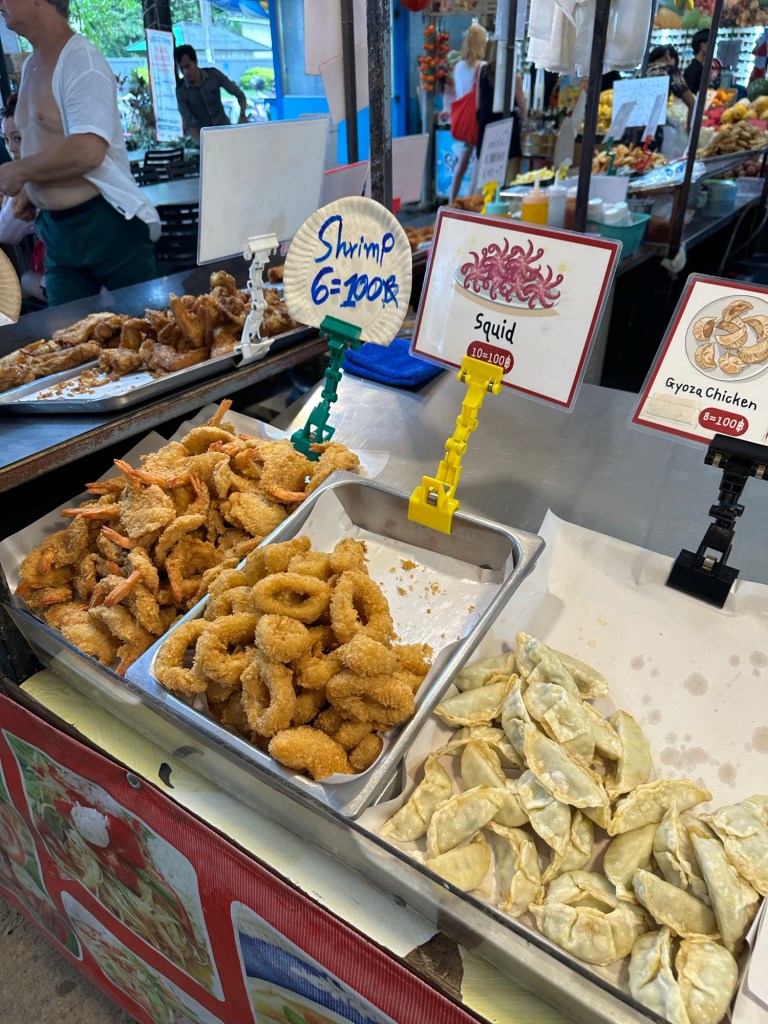
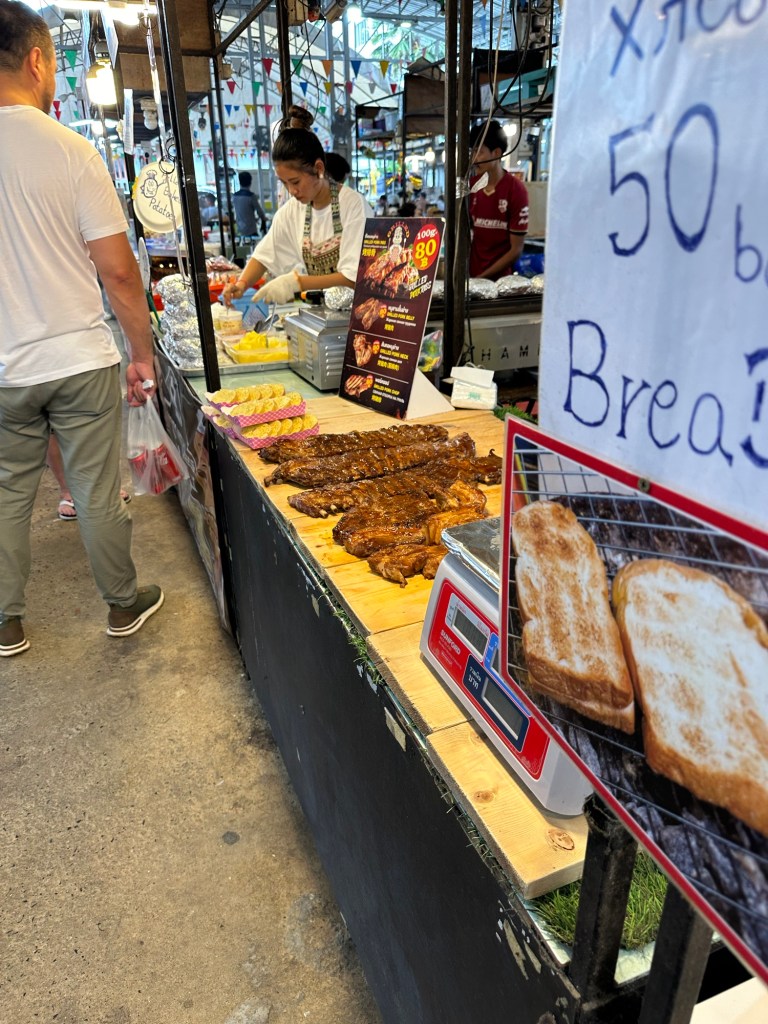
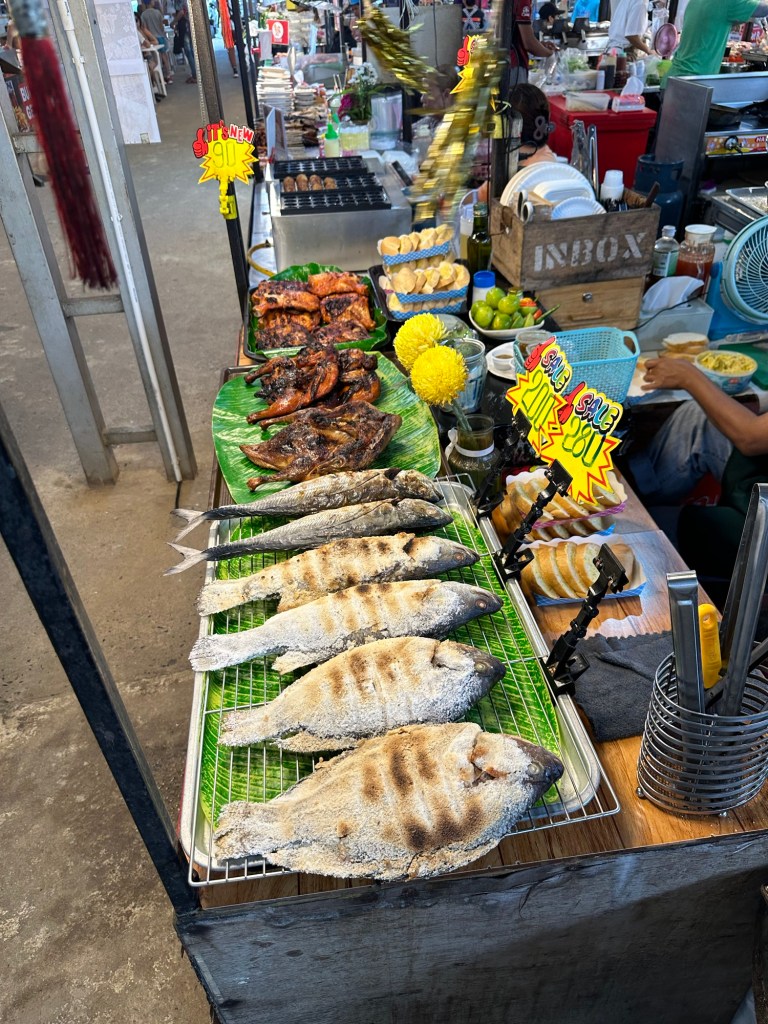
On a lighter note, we called in at Kata street food market – something for all tastes…
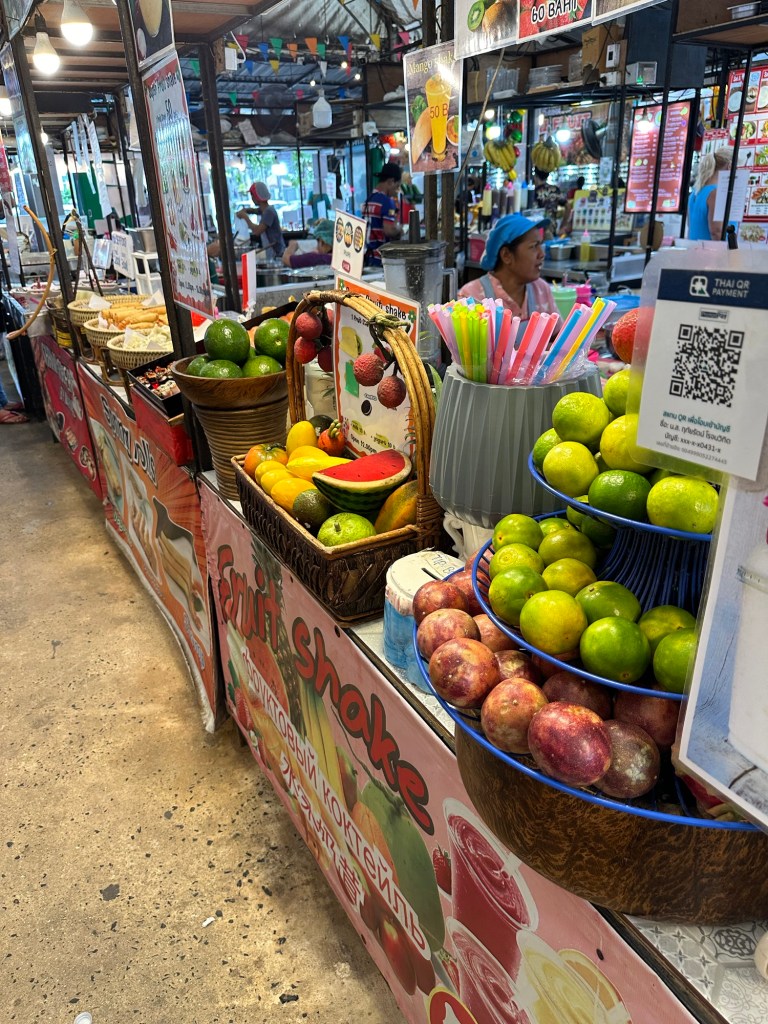
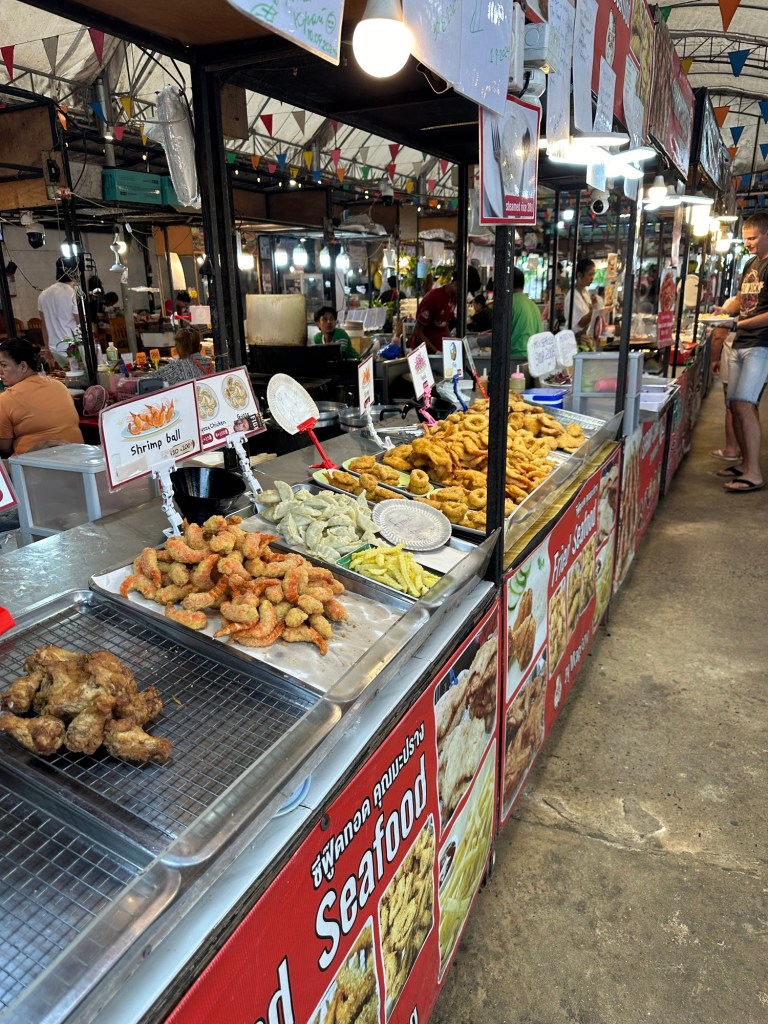
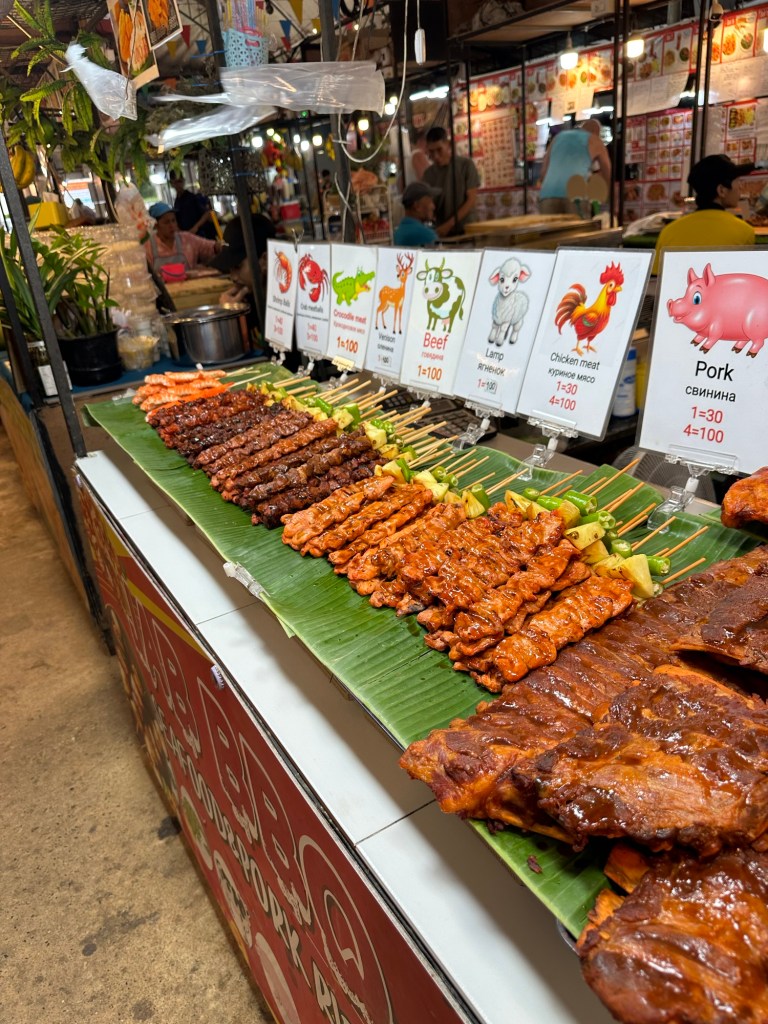
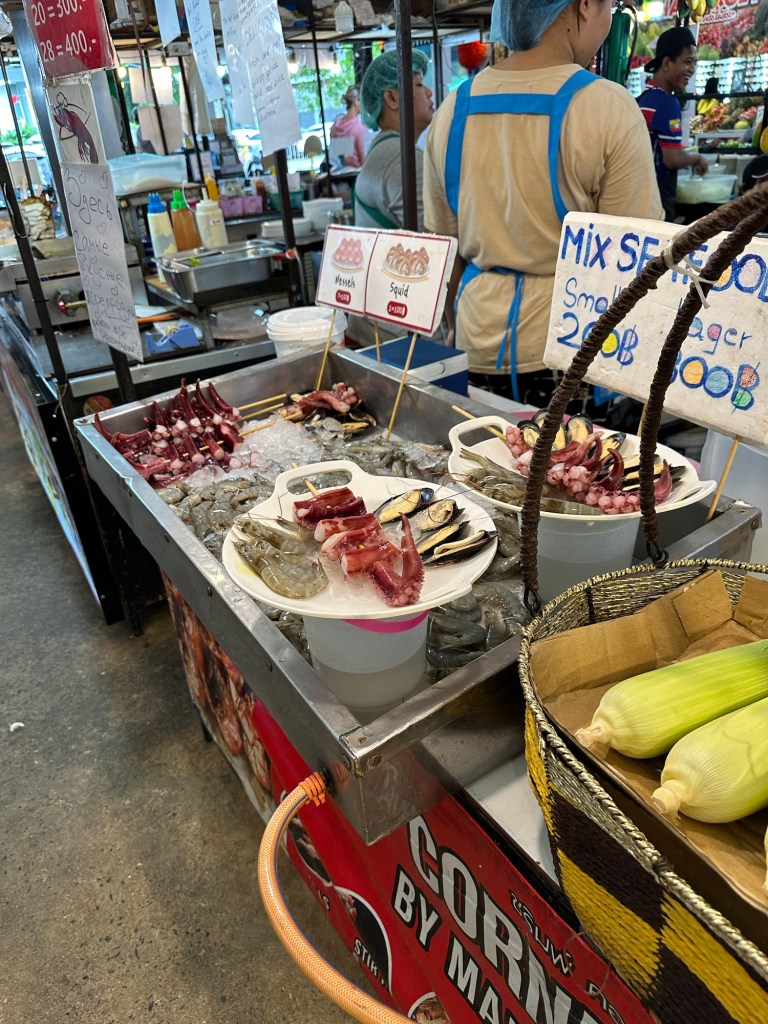

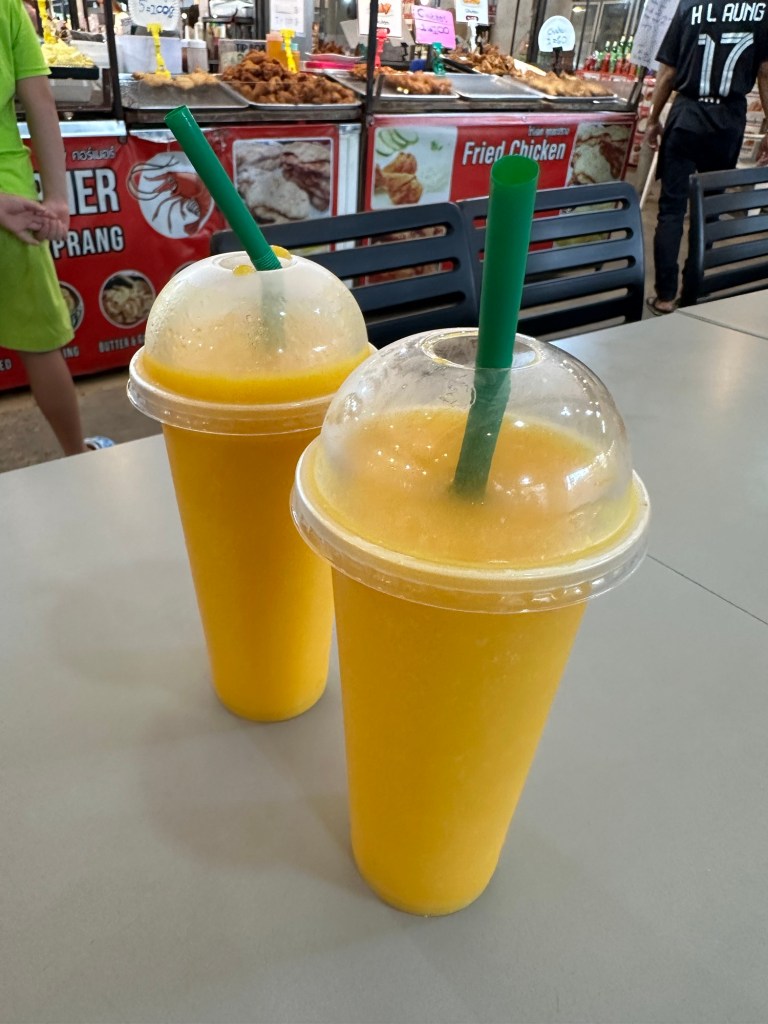
Two freshly squeezed and made – in front of you, nothing added – mango smoothies: 100 Thai Baht (£2.30). Worth every penny. Sublime!
And then, just as we got back to base…
There’s no getting away from it.
Whilst respecting its power and potential, swimming in the sea that churns in and out of this bay, as the sun goes down, is positively blissful, if not other-worldly. Doing so has very quickly become a bit of a ritual, prior to getting ready, enjoying a ‘pre-drink’ in our gaff, and stepping across the way for another round of fish.

Cheers!
Return to homepage


 A Dragon Apparent
Leave a comment