

In April 2022 Phuket Environmental Foundation launched a pilot “Less Plastic Phuket” scheme, which seeks to reduce and better manage household and business waste while finding alternatives to single-use plastics.
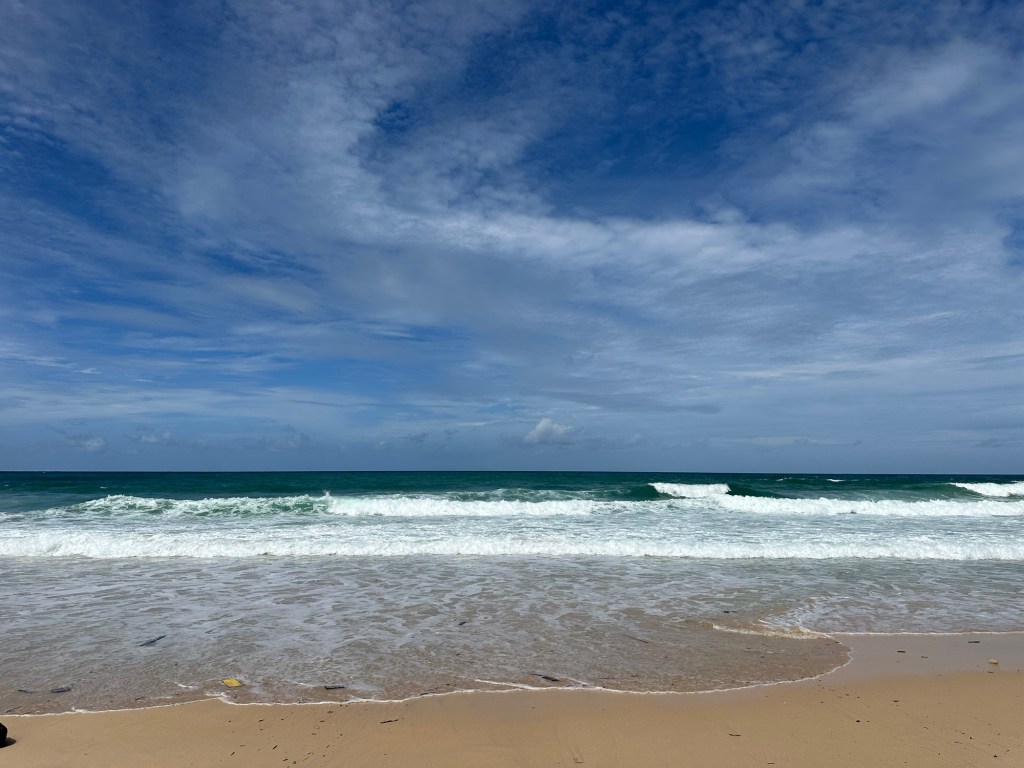
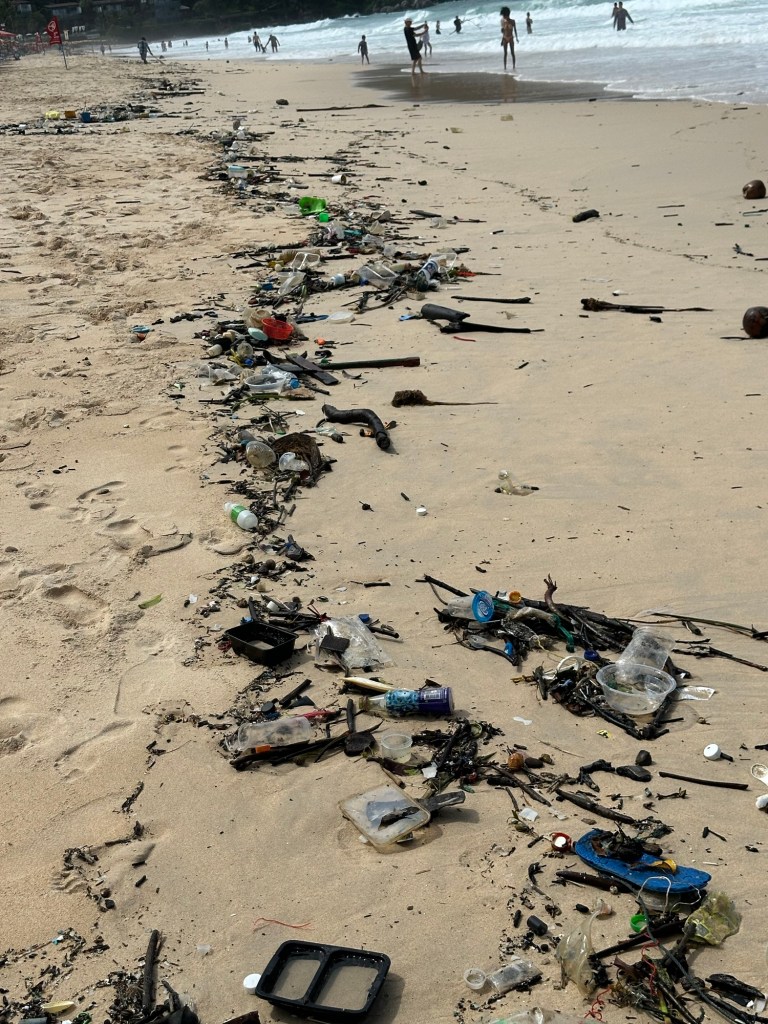
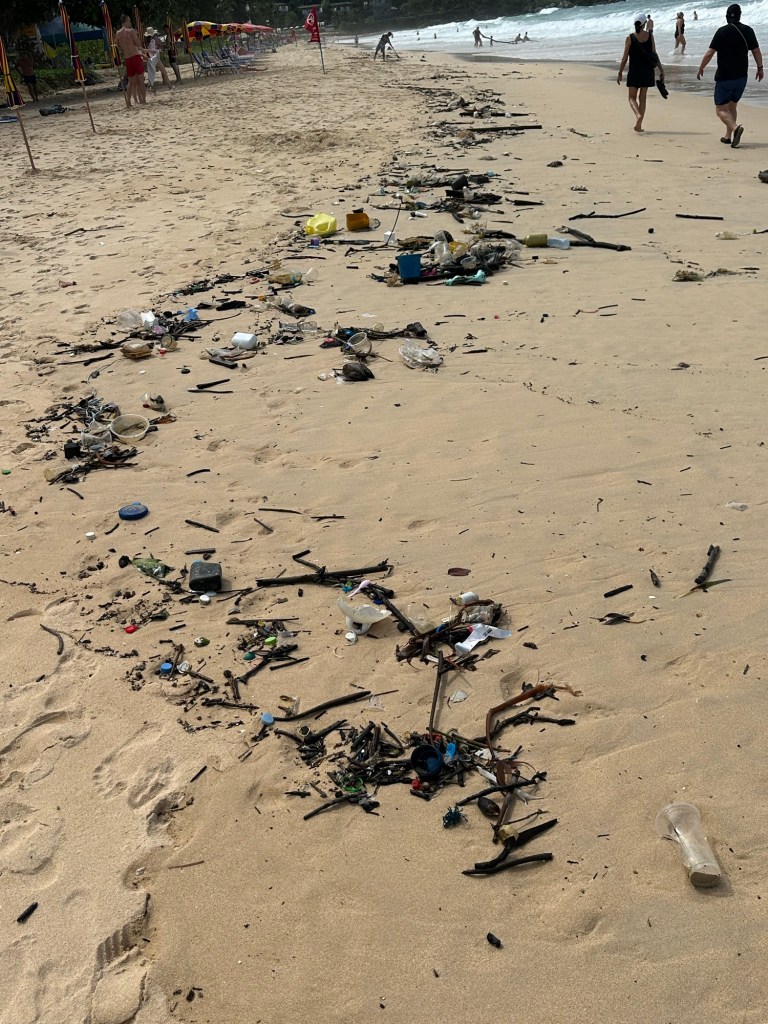
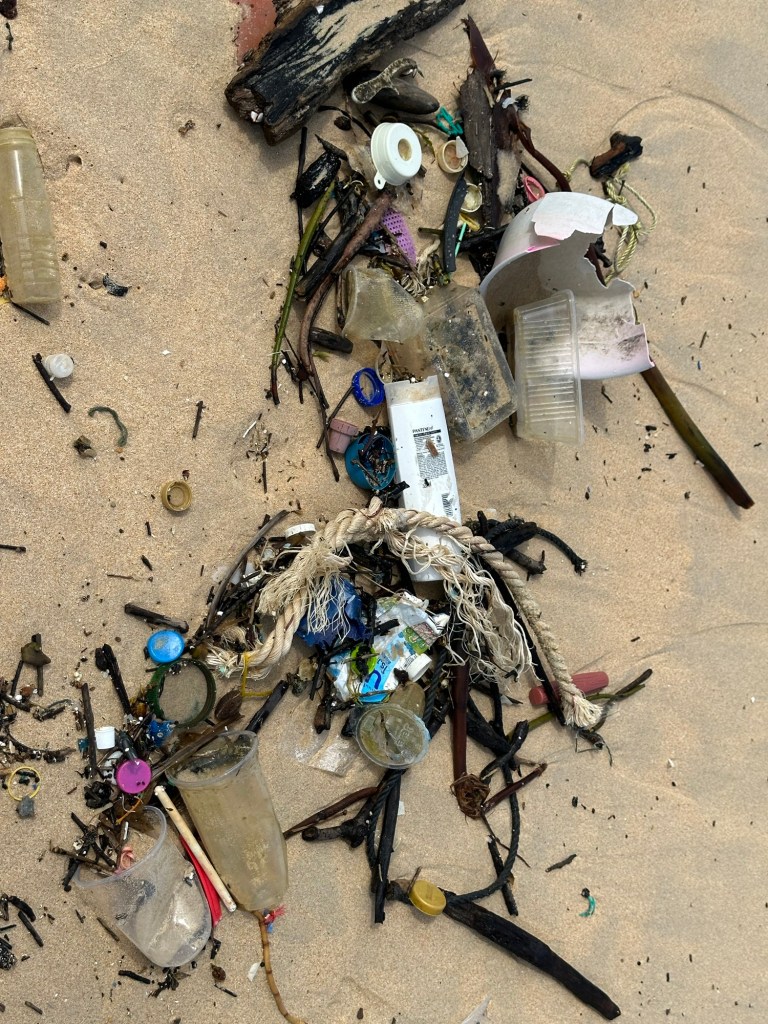
I took the photo above first thing this morning. I then lowered my phone/camera to what was more immediately below my feet…
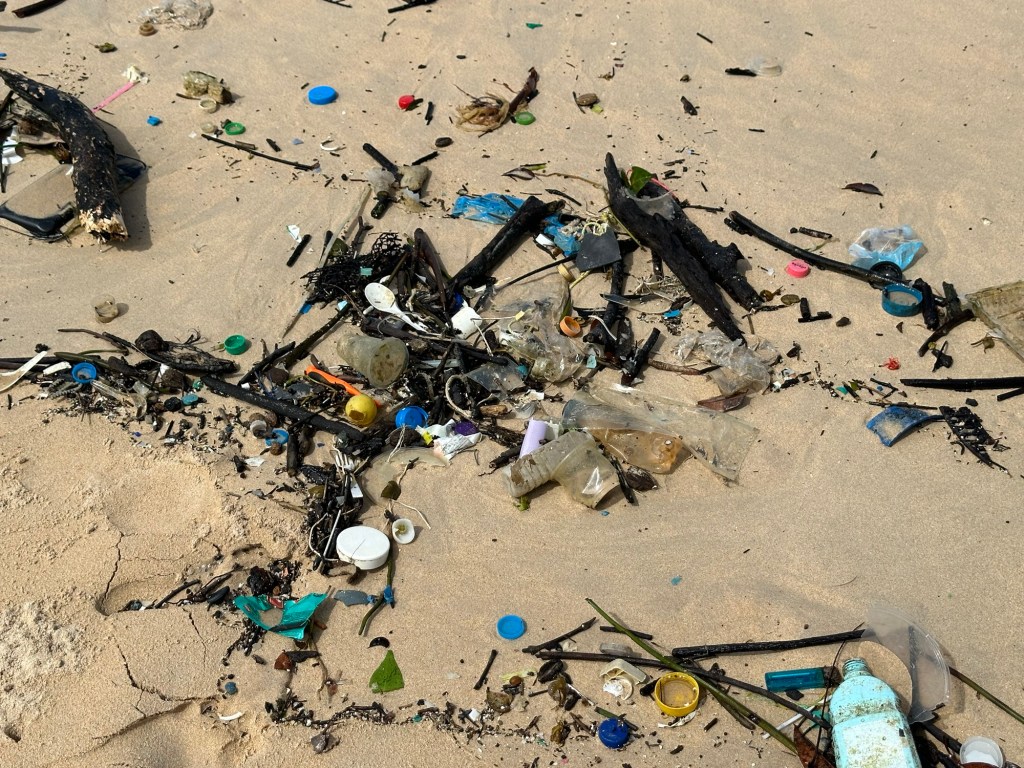
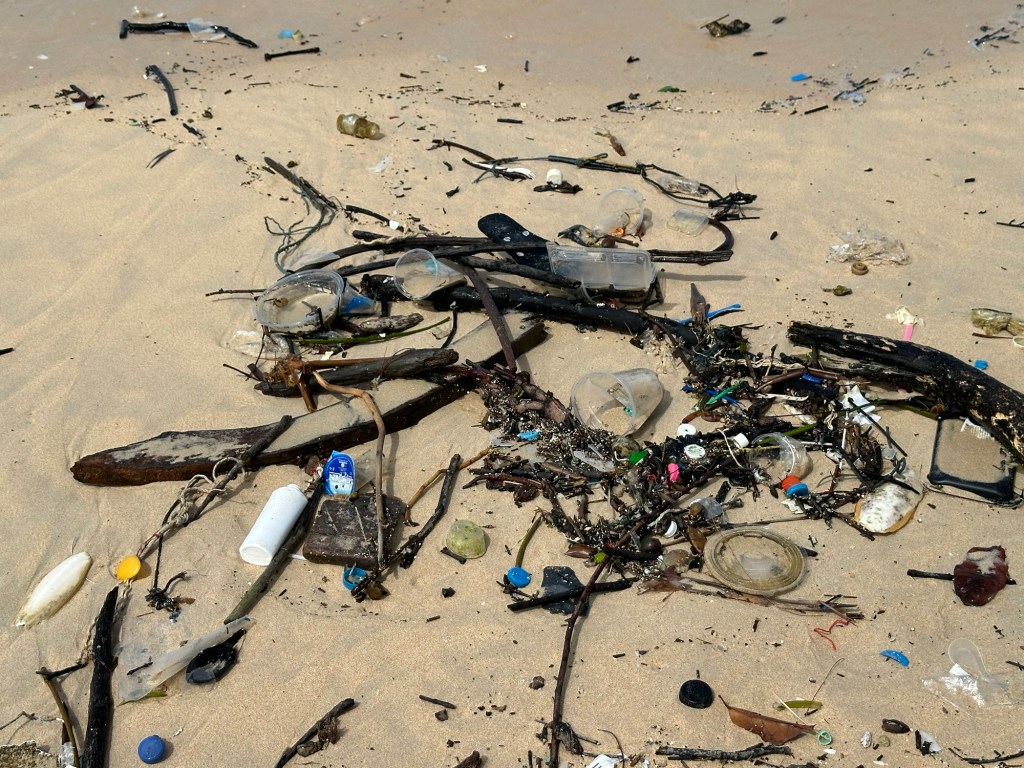
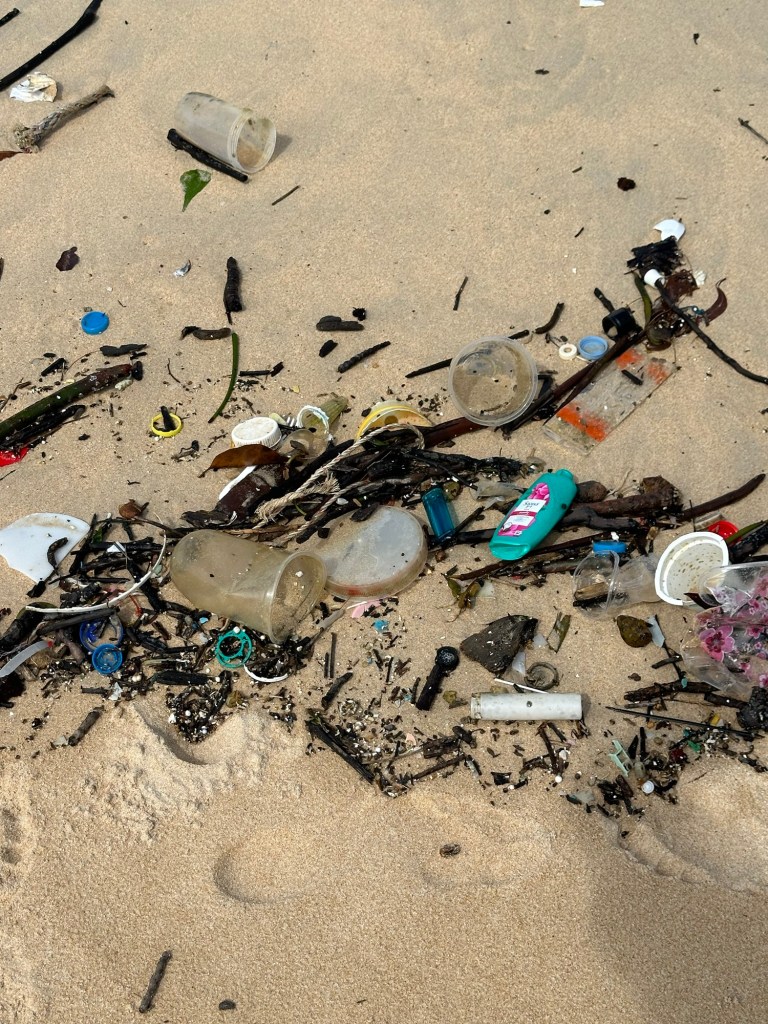
When we visited Ha Long Bay (Vietnam) a week or so back (Day 11 blog post) we were told to expect to see a good bit of plastic waste in the bay. This, because the northern region of Vietnam had been hit by the strongest storm for thirty years, just 4 weeks previous to our visit, on 7th September. Typhoon Yagi, so named, caused torrential downpours and powerful winds exceeding 200 kilometres per hour.
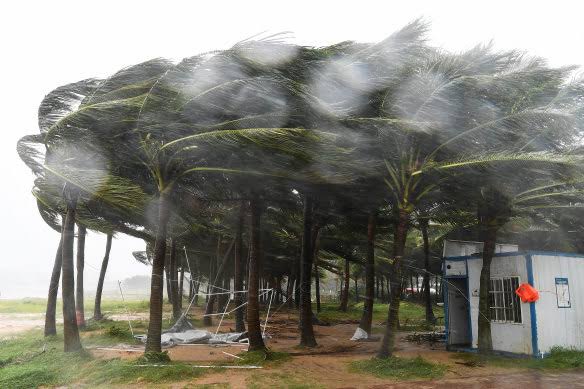
On September 15th, a three-day clean up campaign was launched by the Ha Long Bay Management Board.
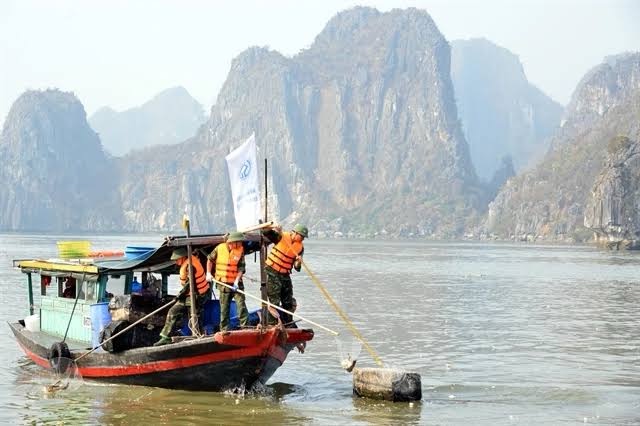
Clearly, they did a good job. Some debris was noticeable but nothing extraordinary. Understandably, the Board was anxious to protect the area’s main source of income, tourism.
The formidable Swedish environmental activist Greta Thunberg addressed the World Economic Forum in 2019. She had a stark message for us all.

She returned to the same stage one year on, to declare, “Our house is still on fire and you’re fuelling the flames.”
You say children shouldn’t worry. You say: “Just leave this to us. We will fix this, we promise we won’t let you down. Don’t be so pessimistic.”
And then — nothing. Silence. Or something worse than silence. Empty words and promises which give the impression that sufficient action is being taken.
It all sounds very familiar doesn’t it, and it’s not just the ‘children’ who are being treated like children is it, really?
Back to our beach. The same stretch, just a couple of hours on…
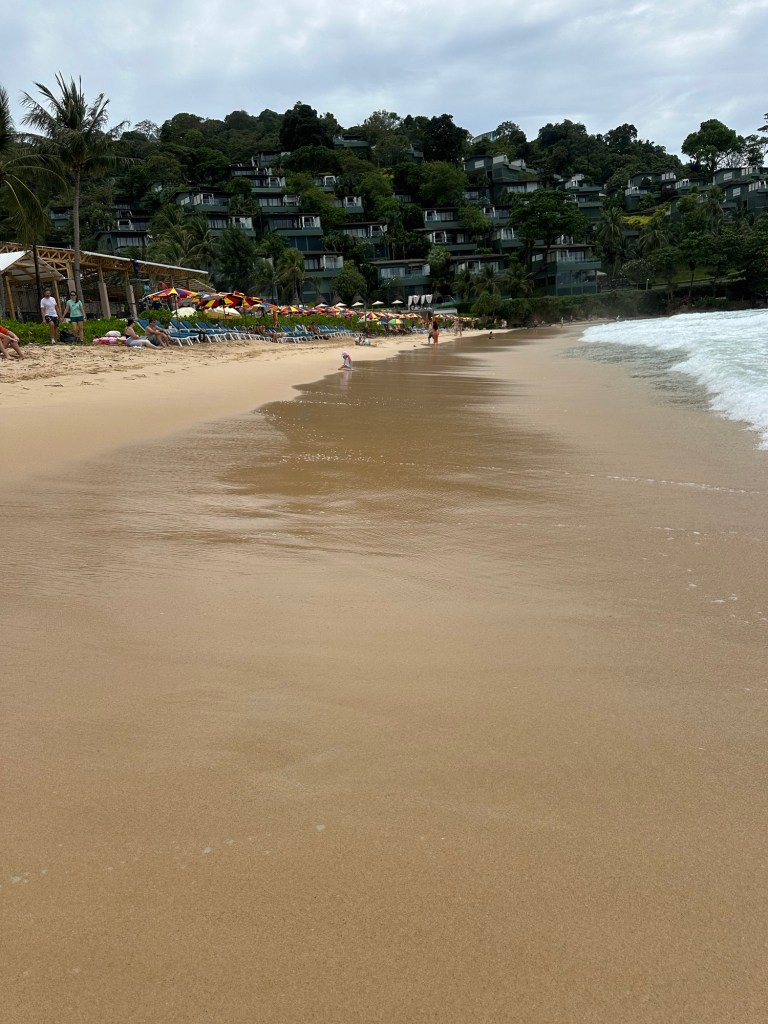
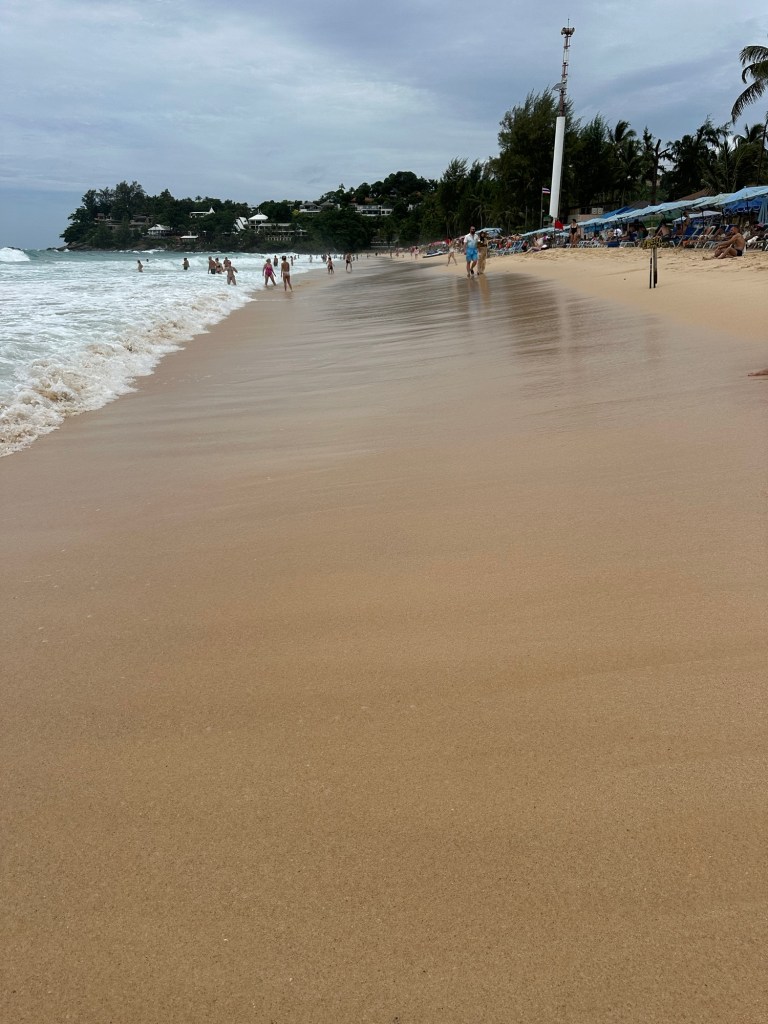
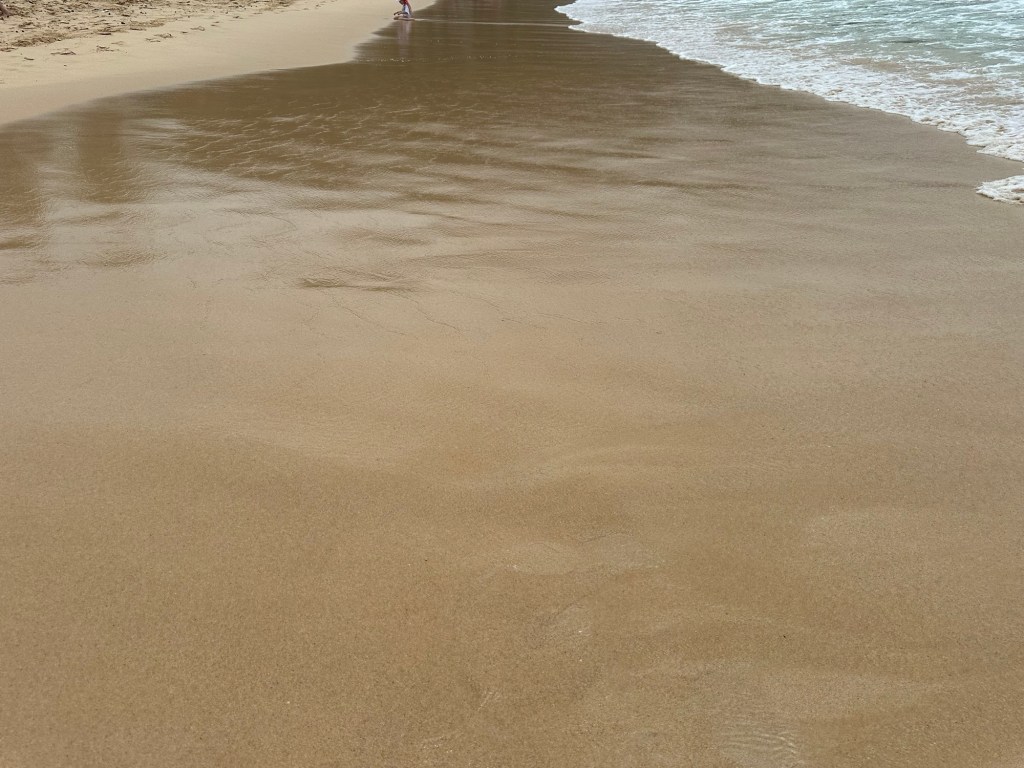
We could pretend all is well? Until, that is, it all comes back in again, next cycle, reminding us it hasn’t gone away – it still needs dealing with. Meanwhile, we fan the flames, as Greta says.
We are all part of the problem, of course, which makes us all part of the solution.
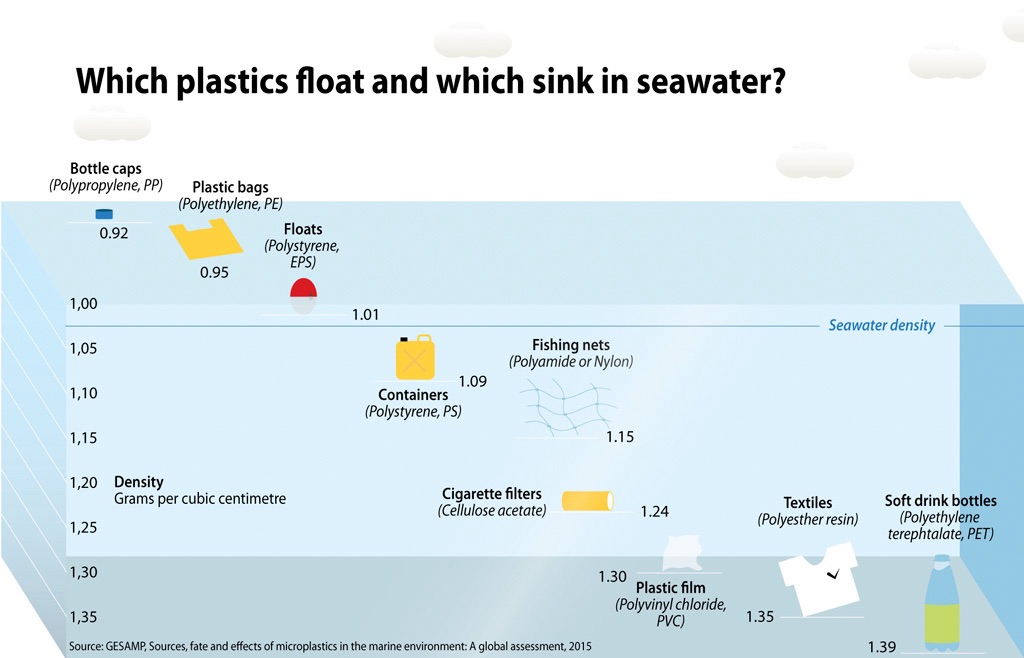
This diagram helped explain, for me, the make up of detritus on our beach.
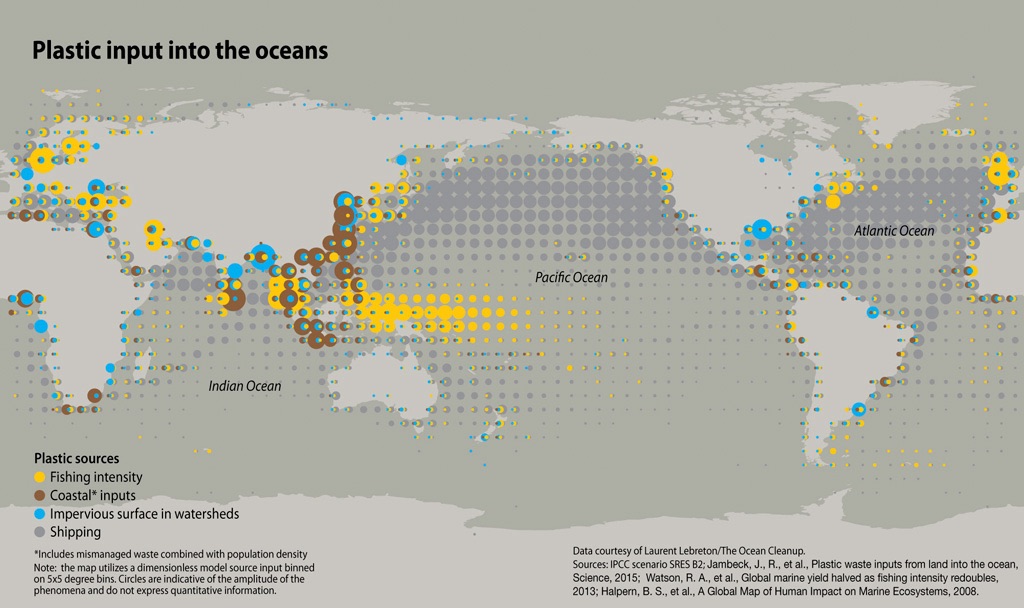
This diagram might help explain why there is a significant problem in this region.
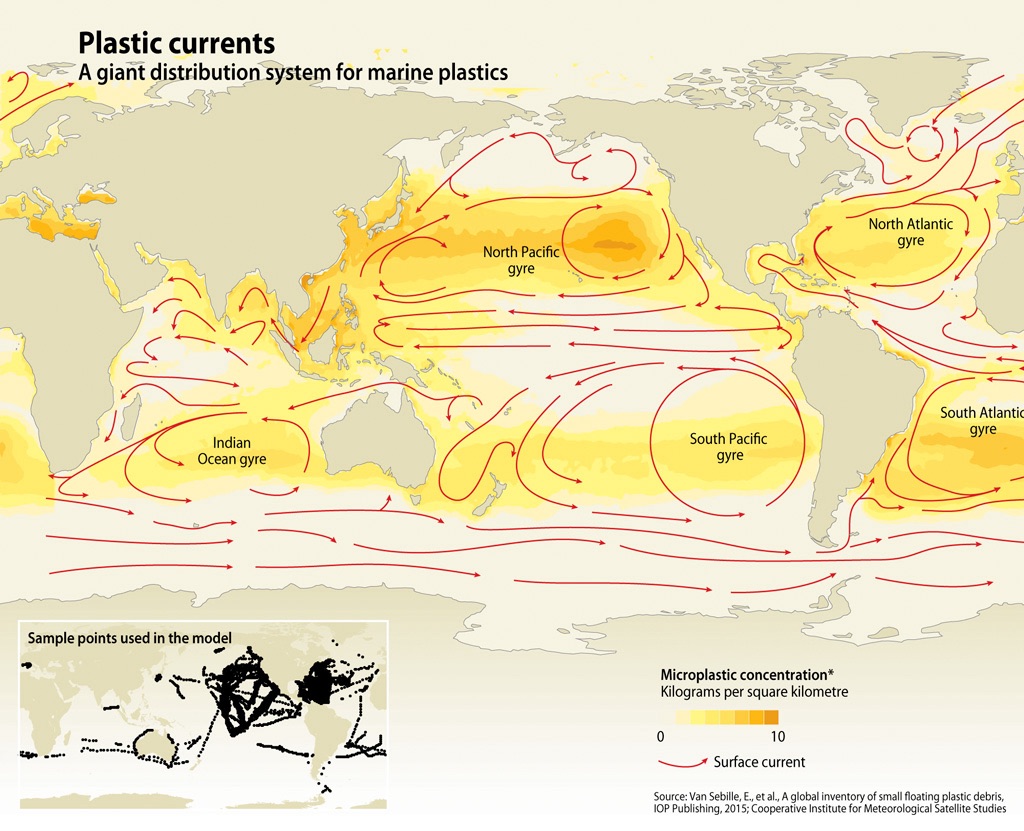
But then this diagram informs the bigger picture. Tellingly, given the title, Plastic currents: A giant distribution system for marine plastics.
It is a worldwide mega-problem. But, really, how much faith have we in our collective desire and ability to actually do something about it?
Resting on the same beach we started with, researching on the internet, I came across this short – 2 minute – promotional video, produced by the Incubation Network, a South East Asia initiative.
It offers hope for several reasons:
- It recognises Thailand as being part of the problem, naming it as the world’s sixth largest plastic polluter (322,000 tonnes per year). Otherwise known as, taking responsibility for your own actions. How good are we at this?
- It sets out a strategy (approach) to the problem, based on innovation and collaboration. It is always good to first work out the mode and direction of travel.
- Collective wisdom is to be drawn from more than 70 partners, including universities, NGO’s, businesses, and entrepreneur support organisations. Collaboration is always a good thing.
- Whilst pursuing innovation in the lab, the network recognises the need also to place themselves in the real world so as to understand the issues real producers face. Grand, theoretical ideas just might not work out there.
What is interesting is that hinted at by the organisation’s name, Incubation Network. In the Business world, ‘incubators’ work with early-stage companies to get them to move beyond their embryonic phase. They provide support and coaching for new businesses that have a promising idea, as well as for entrepreneurs still in the idea stage. It seems to me that practically supporting and incentivising the ‘ideas people’, the creative, the people inclined to go off piste in search of a workable solution is a pretty good way to go with all this. We can offer incentives (💰💰💰) to the big fish to rein in their dirty great ecological footprint, but is this working? We all know the answer. The answer was on Kata Noi beach this morning…

And gone again, two hours later…
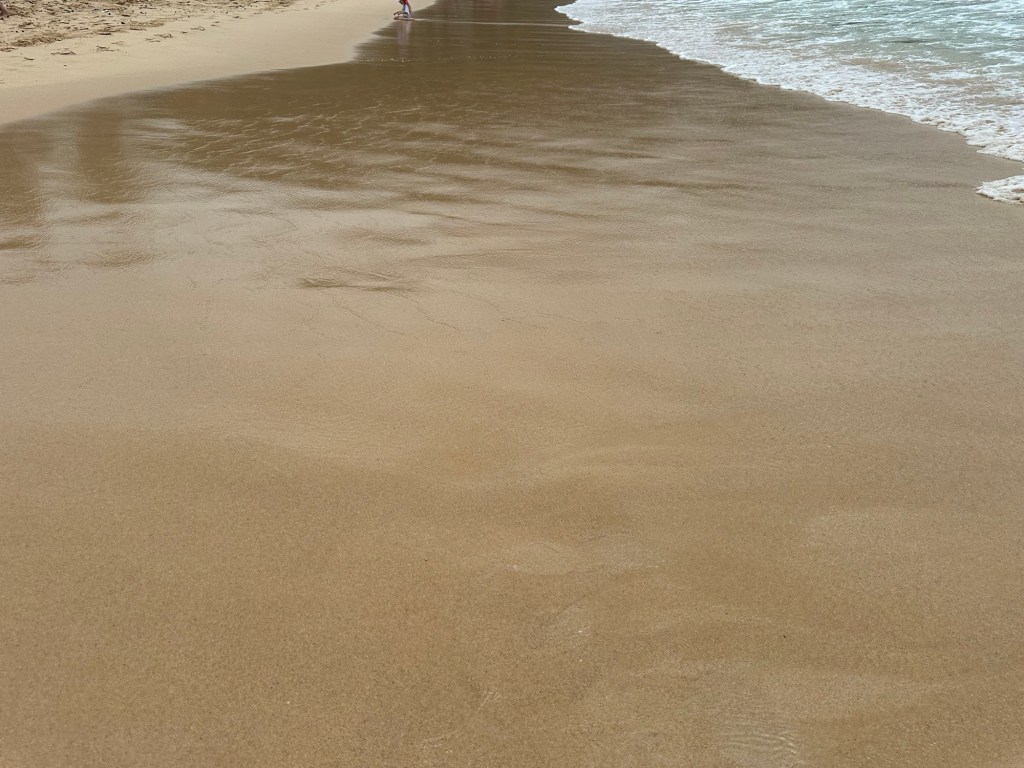
Not ‘gone’, of course. It’s back out there…
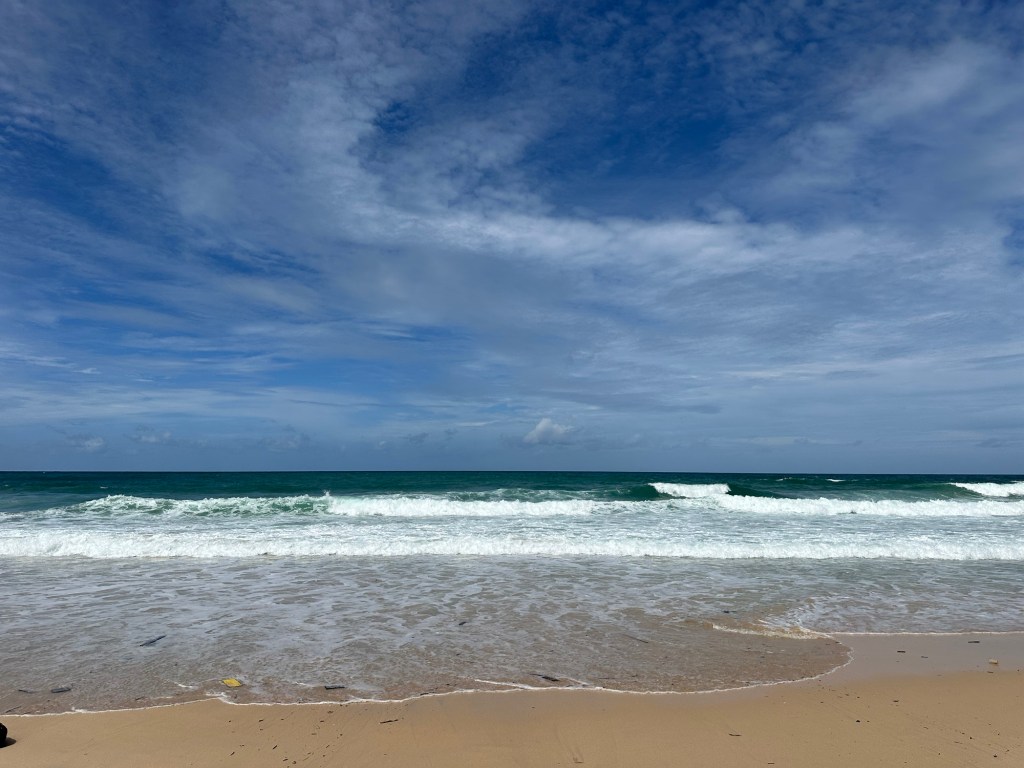
I sit here now, enjoying this beach, using my Apple iPhone to research and write this blog.
Intelligence experts and historians estimate that Steve Jobs likely had an IQ of around 160, which makes him as smart as Bill Gates, and Albert Einstein, who have similar genius-level IQ scores. His formal education finished at high school, and then he made his mark on the world.

If Steve Jobs’ craziness left me sat here with this crazy piece of technology in my hand, then we do right to ask who is crazy enough to come up with solutions in time to save our planet, both from spoil (waste products on the beach) and, ultimately, destruction.
To pick up on Greta’s well made argument and metaphor, Nero is said to have fiddled while Rome burned (a moot point)…

What am I doing? What are you doing? What are we doing?
Meanwhile, an important first step… let’s set the crazy people to work and back them all the way!
Return to homepage


Leave a comment